Showing posts with label General Knowledge. Show all posts

Thursday, 27 September 2012

Did You Know :: Eternal Clock Could Keep Time After Universe Dies


Scientists have proposed a way to build a clock that will keep perfect time forever.


The idea for an eternal clock that would continue to keep time even after the universe ceased to exist has intrigued physicists. However, no one has figured out how one might be built, until now.

Sunday, 23 September 2012

Did You Know :: Marine Invasive Species


Aquatic invasive species are plants and animals that evolved in one location and are introduced through a variety of means into another location.

Species have always used the oceans to move about the planet. By swimming or hitching a ride on a log, leaf, or coconut, organisms have found new worlds in which to thrive. But until recently, this process has been moderate, limited by the currents and the winds.

Did You Know :: Overfishing


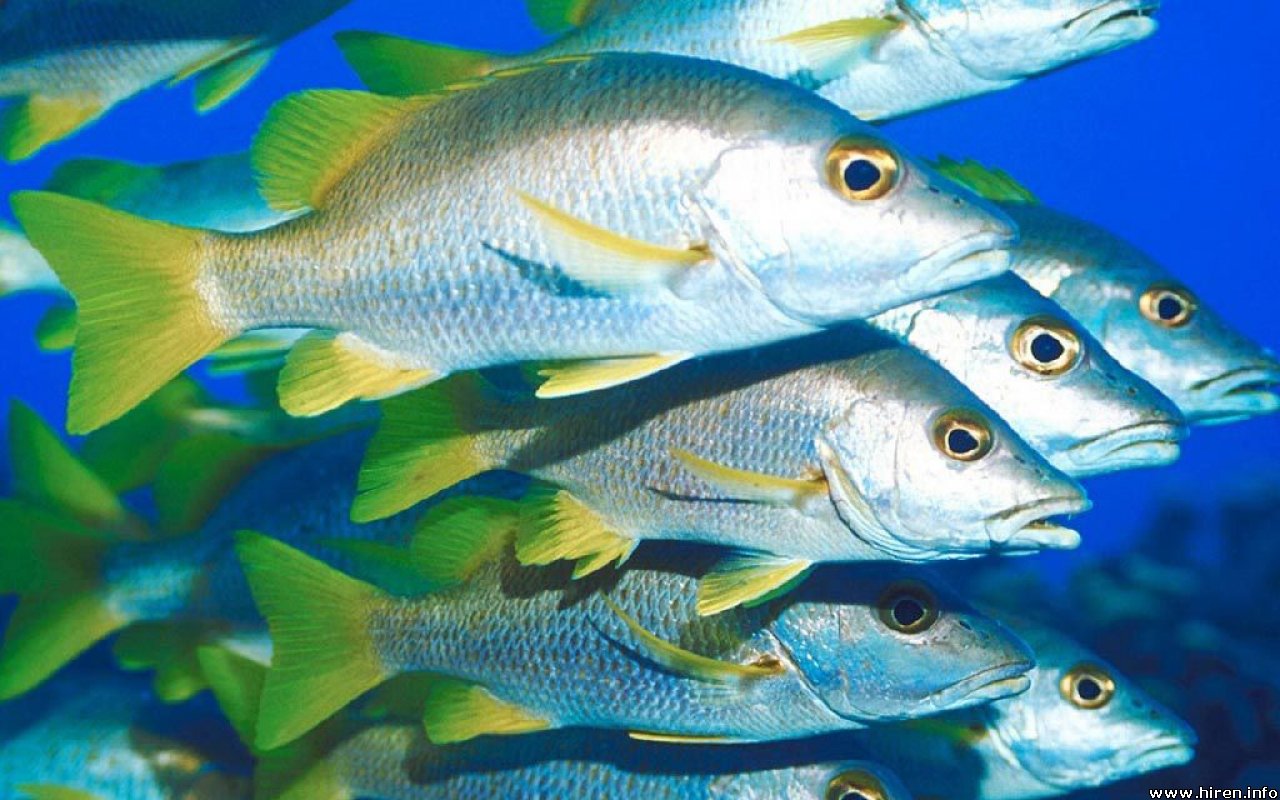
Ocean overfishing is simply the taking of wildlife from the sea at rates too high for fished species to replace themselves. The earliest overfishing occurred in the early 1800s when humans, seeking blubber for lamp oil, decimated the whale population. Some fish that we eat, including Atlantic cod and herring and California's sardines, were also harvested to the brink of extinction by the mid-1900s.

Highly disruptive to the food chain, these isolated, regional depletions became global and catastrophic by the late 20th century.

Thursday, 20 September 2012

Did You Know :: Harvest Energy from Moonlight

Did You Know :: Harvest Energy from Moonlight
It looks like a giant, glass marble. But this globe is no game. It's a sun-tracking, solar energy concentrator created by Barcelona-based architects Rawlemon and, according to the designers, is able to collect not just sunlight but moonlight as well. The weatherproof sphere is designed to rotate and follow the sun across the sky. It's so sensitive to light that at night, it can even harvest moonlight and convert it into electricity. Andre Rawlemon, the architect and designer, says his spherical, sun-tracking glass globe is able to concentrate sunlight and moonlight up to 10,000 times and that the system is 35 percent more efficient than photovoltaic designs that track the sun. One of Rawlemon's idea is to build these globes into the exterior walls of buildings and use them to generate electricity.

Source : via Design Boom and Inhabitat Credit: Andre Rawlemon

*****************************
Management Team
Melaka Planetarium Adventure Science Centre

Wednesday, 19 September 2012

Did You Know :: CURIOSITY IS IN GOOD HEALTH


On Sol 42 (Sept. 17, 2012), Curiosity drove about 105 feet (32 meters), toward the east-southeast, bringing the mission's total driving distance to about 850 feet (259 meters). The Dynamic Albedo of Neutrons (DAN) instrument was used at two stops during the drive to check for hydrogen in the soil beneath the rover. During this sol, the rover used its Mast Camera to observe Mars' two moons, Phobos and Deimos, as each passed in front of the sun. Curiosity continues to work in good health. Sol 42, in Mars local mean solar time at Gale Crater, ends at 11:12 a.m. Sept. 18, PDT.


Source/Credit : NASA Langley Research Centre


*****************************
Management Team
Melaka Planetarium Adventure Science Centre


Friday, 7 September 2012

Did You Know :: Origin of Life


Did You Know :: Origin of Life          ... by MPASC Team

Hypotheses about the origins of life may be divided into several categories. Most approaches investigate how self-replicating molecules or their components came into existence. 


Friday, 10 August 2012

Did You Know :: Red Crab of Christmas Island


Did You Know :: Red Crab           ... by MPASC Team


The Christmas Island red crab, Gecarcoidea natalis, is a species of land crab that is endemic to Christmas Island and the Cocos (Keeling) Islands in the Indian Ocean.